Wildfire Smoke and Your HVAC Filter
When wildfire smoke drifts into the valley, indoor air can suffer too. Your HVAC system can be one of the most useful tools for keeping it cleaner.
Request an HVAC technicianFilter rating
Filters rated around MERV 13 capture smoke particles far better than basic ones. Check your system can handle them.
Fit
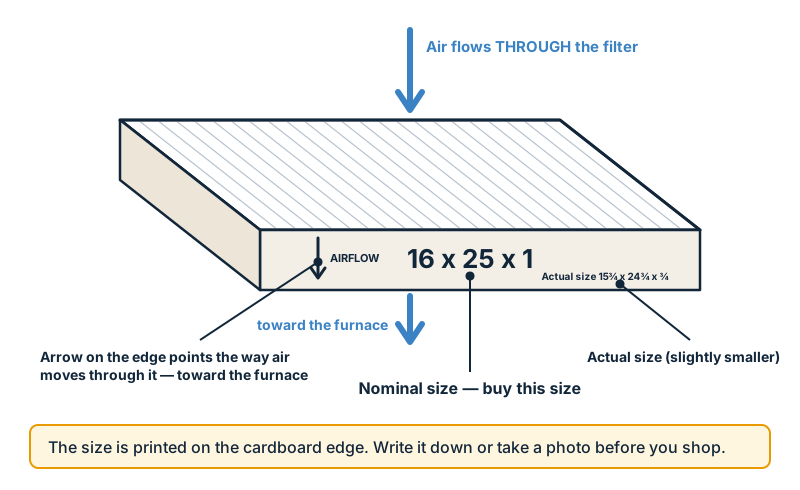
A filter that doesn't fit snugly lets air bypass it. Buy the exact size printed on the old filter.
Change often
During smoke, filters clog quickly. Check every week or two.
Fan settings
Running the fan more often moves more air through the filter. Ask a technician about settings for your system.
Outside air
Close fresh-air intakes and windows during heavy smoke.
Seal the house
Weatherstrip doors and seal duct leaks to keep smoke out.
Purifiers
A portable HEPA purifier in a bedroom helps, especially for children and people with asthma.
More help
Check airflow
A thicker, more efficient filter can restrict airflow on some older systems. If airflow drops noticeably or the system gets louder after changing the filter, ask a technician whether a media cabinet or a different filter would work better.
After the smoke clears
Replace filters once a smoke event ends, since they'll be loaded with fine particles. Wipe down vents and dust surfaces to remove settled ash.
Who's most at risk
Children, older adults, pregnant people and anyone with heart or lung conditions are more sensitive to smoke. Give them the room with the cleanest air.
Air quality alerts
Local air districts publish daily air quality forecasts. Checking them helps you decide when to close up the house and run filtration.
More AC guides
AC or heating trouble in Stanislaus County?
Send a request and an HVAC technician will get in touch. Requests answered 7 days a week.
Prefer email? [email protected]